The problem needs definition
Stakeholders can describe the symptoms. Discovery establishes the requirements, constraints and appropriate intervention.
 ORION’S ARMSoftware Solutions
We diagnose, build and modernise systems where security, continuity and accountable delivery cannot be optional.
Bring us the point where software and operations stop aligning.
We establish what is happening, what matters and which decision will reduce the most risk before prescribing a solution.
Stakeholders can describe the symptoms. Discovery establishes the requirements, constraints and appropriate intervention.
Fragmented tools, duplicated data and manual work are making the operation slower, riskier or harder to understand.
Ageing software needs to be modernised in controlled steps while essential services continue to run.
Architecture, security, decisions and handover need to become visible, evidenced and accountable.
We connect business need, architecture, delivery and operational assurance so the solution remains coherent after launch.
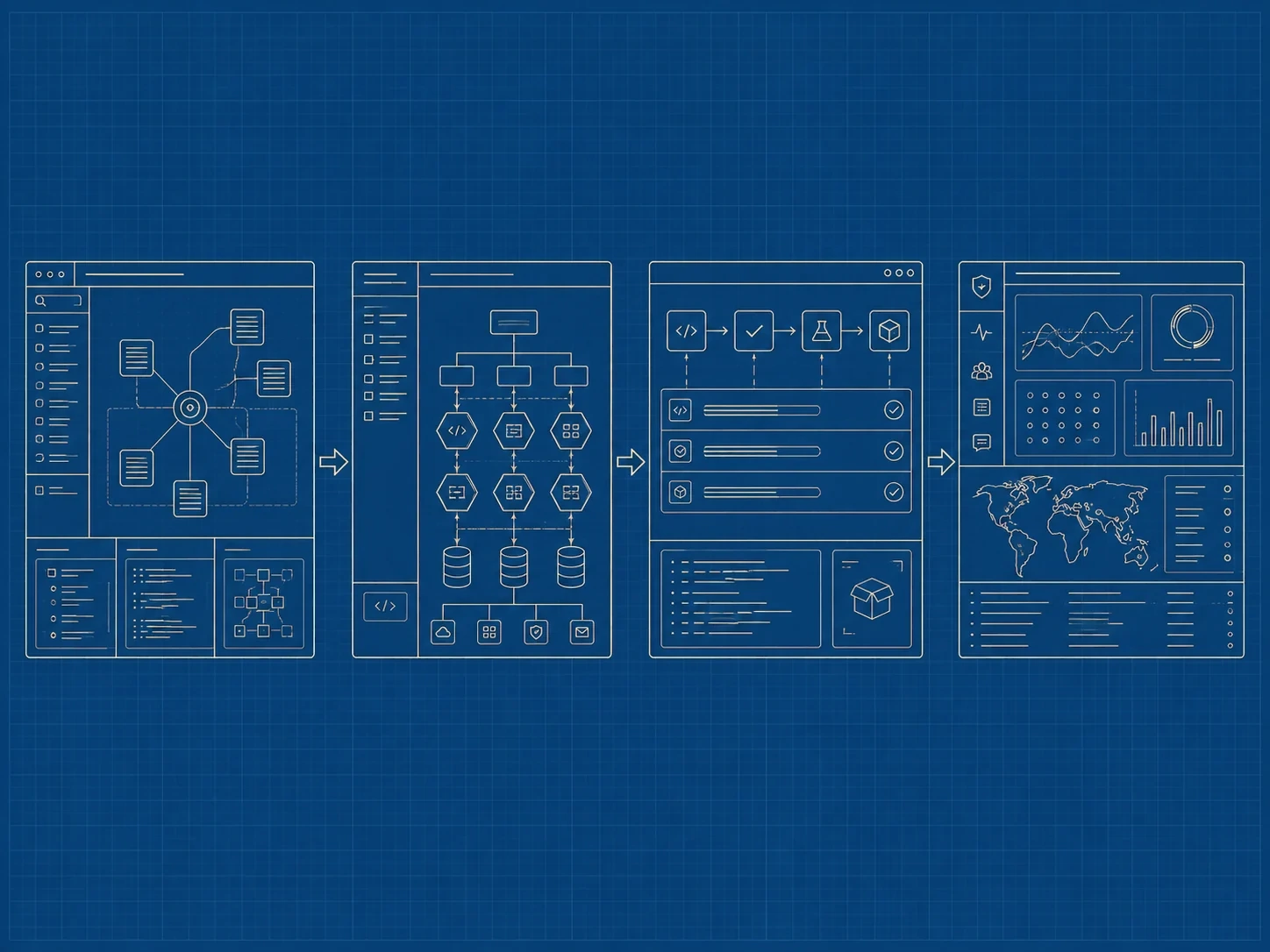
A connected software delivery system linking user needs, architecture, implementation, data, operations and assurance.
Discovery · Service design · Requirements analysis
Discovery establishes the users, required outcomes and practical measures of success.
Solution architecture · API & integration · Migration planning
Architecture, interfaces and integration patterns designed for security, change and a long service life.
Cloud & platform engineering · Custom software · Continuous delivery
Secure platforms and applications, built and tested through controlled, independently verifiable increments.
Data platforms · Observability · Security & assurance
Data, monitoring and assurance that keep the system dependable once it is carrying real load.
Define the operating problem
Set the system structure
Build, integrate and assure
Handover, operate and evolve
An engagement can begin before the whole solution is known. We define the smallest useful piece of work that reduces uncertainty and enables the next decision.
Unclear problem
Establish the operating problem, users, constraints and viable options before committing to a build.
Defined build
Turn an agreed need into a controlled architecture, delivery plan and initial implementation path.
Troubled programme
Find the technical and delivery constraints preventing progress, then establish a practical recovery route.
Assurance need
Examine key decisions, system boundaries and controls before the next delivery or procurement commitment.
Entry criteria, acceptance gates and named ownership make delivery risk visible at each milestone.
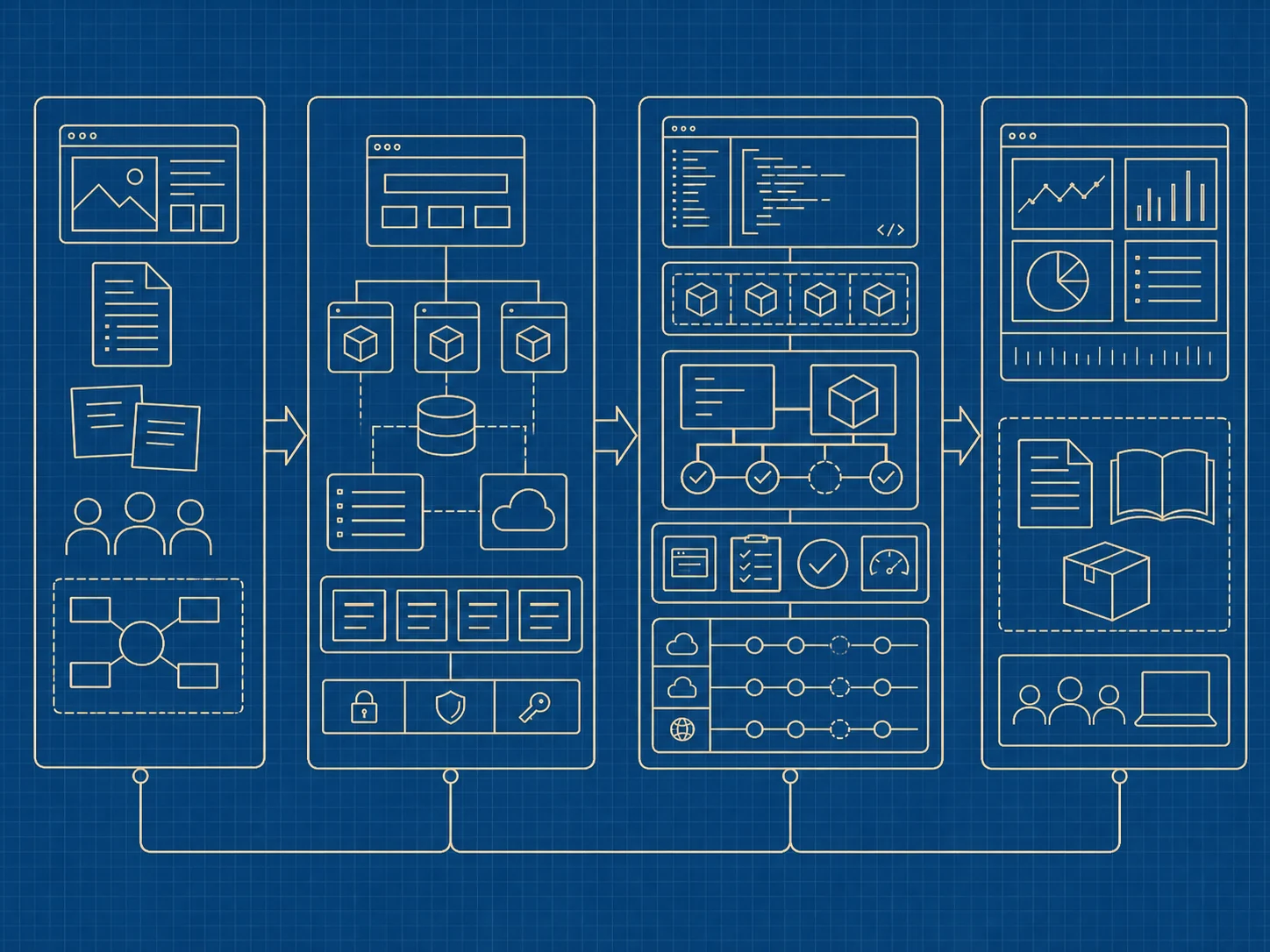
A software release pipeline connecting discovery inputs, architecture, implementation, quality gates and operational handover.
Identity, access, decisions, recovery and operational ownership are treated as system requirements rather than final-stage checks.
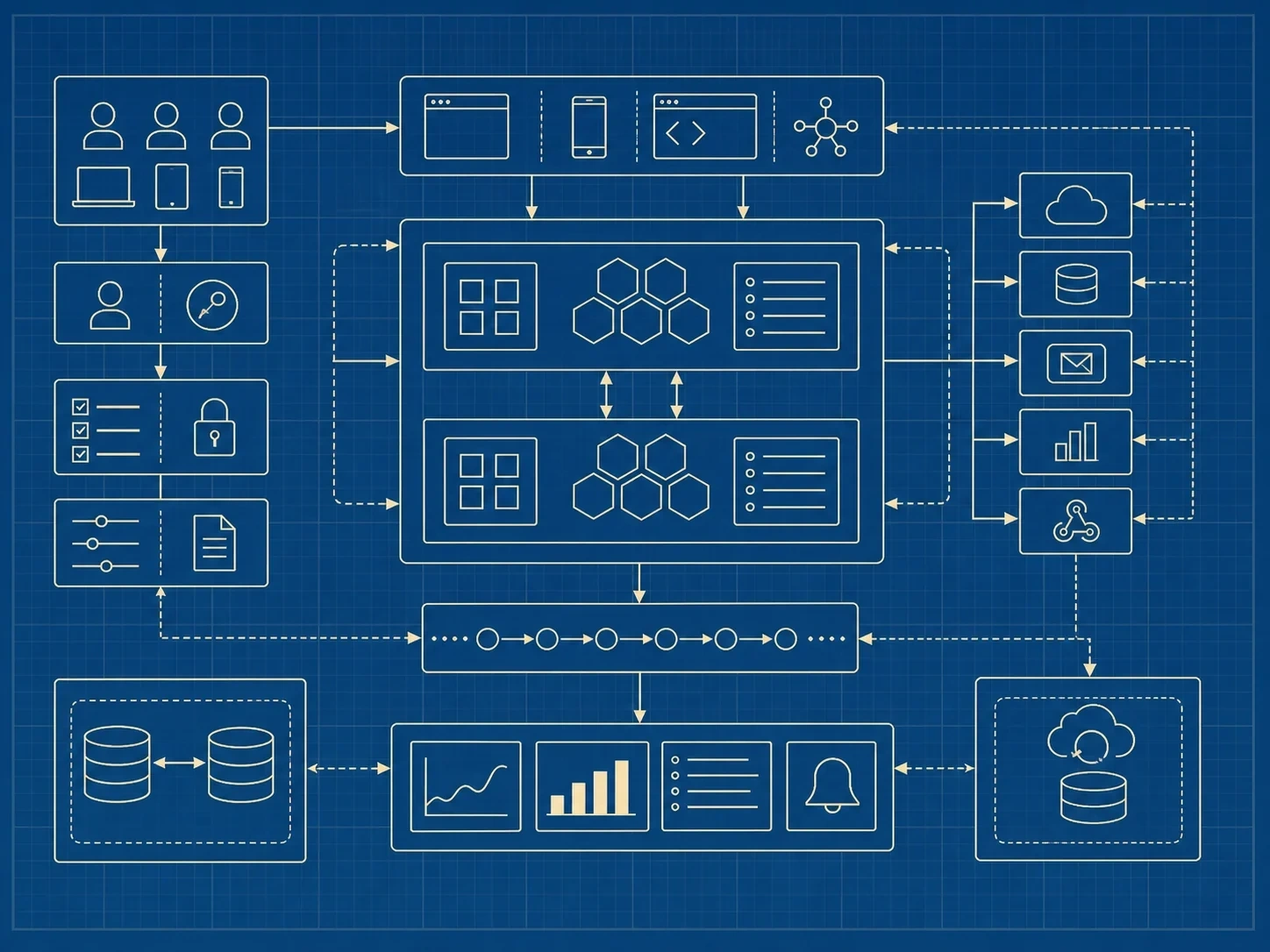
A resilient service topology connecting identity, application, data, observability and recovery controls.
Users, outcomes, constraints and decision ownership made explicit.
Options, trade-offs, interfaces and accepted consequences recorded.
Threats, mitigations, verification and accountable owners connected.
Runbooks, monitoring, recovery, training and acceptance prepared.
We are preparing practical articles about software architecture, integration and operational readiness. Nothing is published until it is useful, supportable and ready for scrutiny.
Client permission and confidentiality obligations govern the release of project records. Our standards show the artefacts and controls that shape delivery.
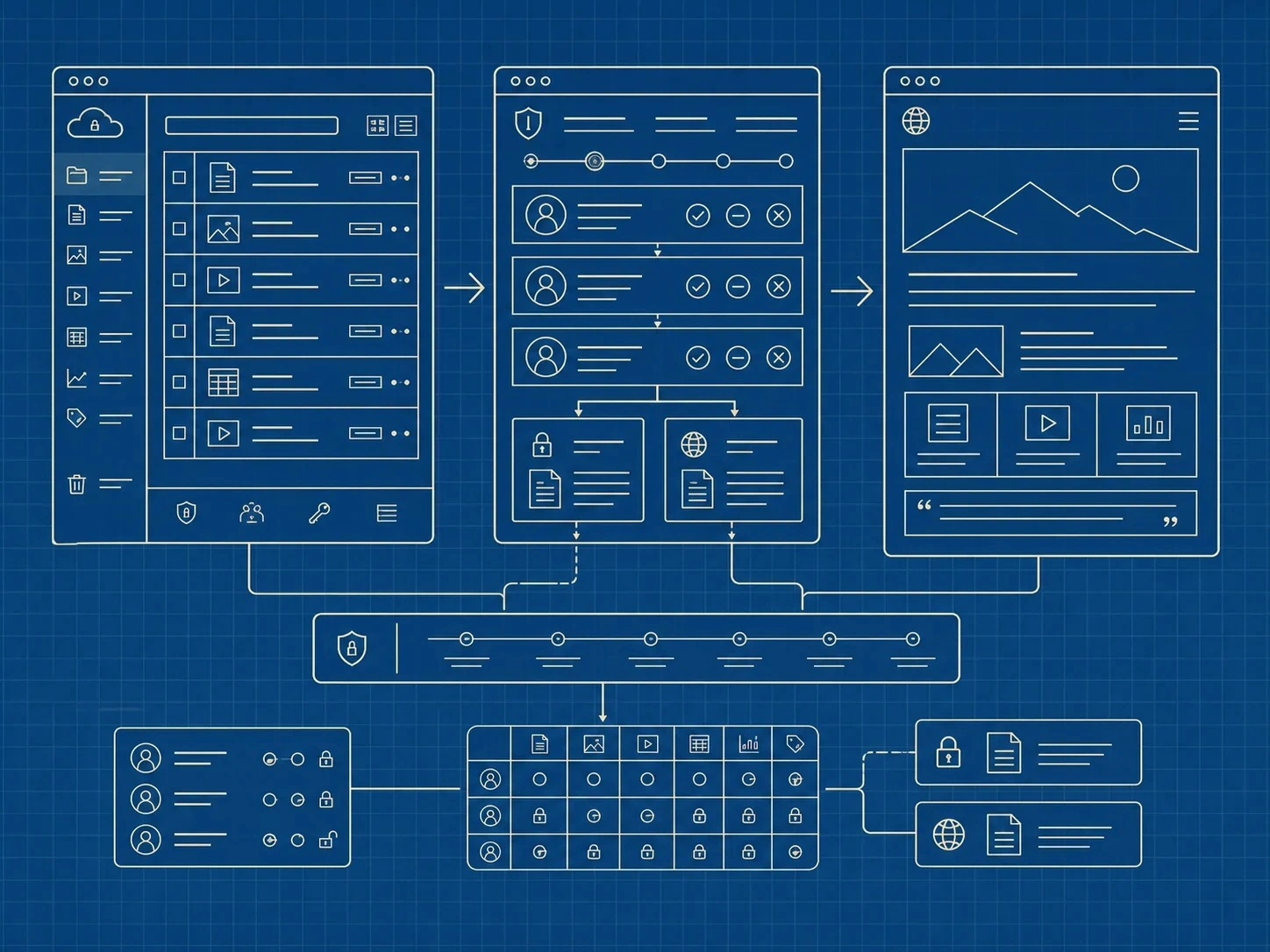
A digital workflow moving private project evidence through review, permission and confidentiality controls before public release.
Share your current challenge, required outcome and delivery constraints. We will review the information and arrange an initial technical discussion.